


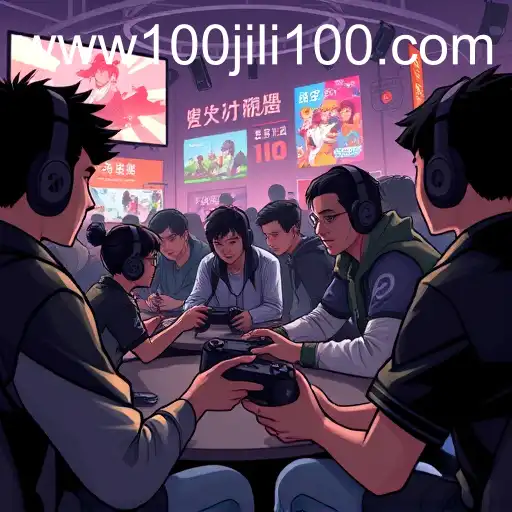
Exploring the impact of online gaming communities like '100 jili' in shaping social dynamics and digital economies.
In recent years, the global gaming industry has witnessed substantial growth, fueled largely by the advent of interactive platforms such as '100 jili', which has become a prominent name among English-speaking game enthusiasts. This platform exemplifies the increasingly social dimension of gaming, where players from diverse backgrounds come together, transcending geographical boundaries and cultural barriers.
The community-centric model adopted by '100 jili' and similar platforms has turned gaming into a social experience, encouraging players to form friendships, rivalries, and collaborations across digital spaces. This trend has seen a surge in online forums and discussion boards, which have become integral parts of the gaming experience. Players exchange tips, share stories, and even organize events, fostering a sense of belonging and shared identity among its members.
As we step into late 2025, the influence of such platforms is palpable not only in terms of user engagement but also in economic scale. The digital economy surrounding online gaming includes virtual goods and in-game purchases, which have become a significant source of revenue for developers. Platforms like '100 jili' are experimenting with new monetization strategies that leverage their extensive player bases to introduce innovative features and exclusive content, ensuring a sustainable ecosystem.
Moreover, the social dynamics within these platforms have begun to shape broader societal trends. Gaming communities are increasingly seen as incubators for digital literacy and creative expression, often catalyzing movements around e-sports and digital art. This underscores the important role they play in modern digital culture and their potential as influential media in advocacy and communication strategies.
As the world continues to become more interconnected, platforms like '100 jili' will likely further blur the lines between gaming, social interaction, and economic activity. Their role as social networks in their own right highlights the transformative potential of games in shaping both individual behaviors and large-scale social dynamics, marking them as significant contributors to the fabric of modern life.

